Ever missed a guest’s check-in because you were stuck in traffic… again? Or spent your entire “vacation” sprinting across town to hand off a key, only to find they’d already arrived—and were locked out on your porch like a soggy cat?
If you’re managing modern vacation rentals in 2024, clinging to physical keys is like using a rotary phone to run Uber. It’s not just inconvenient—it’s costing you reviews, revenue, and sleep.
This post cuts through the noise around Smart Lock Systems—not with fluff or vendor brochures—but with boots-on-the-ground insights from managing over 40 short-term rental units across Austin, Nashville, and Charleston. You’ll learn:
- Why smart locks aren’t just a “nice-to-have” but a non-negotiable for competitive properties,
- Exactly how to choose, install, and troubleshoot them without burning cash,
- Real-world horror stories (including my $1,200 Airbnb penalty for a failed lock),
- And which systems actually work when it’s pouring rain and your guest’s phone dies at 11 p.m.
Table of Contents
- Why Should Vacation Rental Hosts Even Care About Smart Lock Systems?
- How to Install & Configure a Smart Lock System That Doesn’t Fail You
- 7 Best Practices Most Hosts Ignore (Until It’s Too Late)
- Case Study: How One Host Slashed Check-In Complaints by 89%
- Smart Lock Systems FAQs – Answered Honestly
Key Takeaways
- Smart locks reduce no-show support tickets by up to 65% (AirDNA, 2023).
- Not all smart locks are vacation-rental-ready—many fail under high-frequency use.
- Always pair digital access with a physical backup (key safe or manual override).
- Yale Assure Lock 2 and August Wi-Fi Smart Lock Pro consistently outperform in humid, high-traffic environments.
- Never skip firmware updates—they patch critical security flaws that could expose guest codes.
Why Should Vacation Rental Hosts Even Care About Smart Lock Systems?
Let’s be real: your guests don’t care about your “charming key exchange ritual.” They booked your place because it promised seamless, contactless entry—just like every other top-rated listing on Booking.com or Airbnb.
According to a 2023 AirDNA survey of 12,000+ travelers, **78% said they’d avoid rebooking a property that required in-person key pickup**. Worse, 61% left negative reviews citing “check-in hassle” as their primary frustration—even if the actual stay was flawless.
I learned this the hard way during Austin’s SXSW 2022. My guest—a tech blogger, ironically—got locked out because the Bluetooth on my cheap smart lock glitched in downtown’s signal-jammed chaos. By the time I arrived with a spare key, he’d already posted a viral TikTok: “Your ‘smart’ home isn’t smart.” My occupancy rate dropped 22% that month.
Smart lock systems eliminate human dependency. Guests check in at 2 a.m.? No problem. You’re on vacation in Bali? Perfect—the lock doesn’t need you.
How to Install & Configure a Smart Lock System That Doesn’t Fail You
Step 1: Choose a Vacation-Rental-Grade Lock (Not Just “Smart”)
Optimist You: *“Just buy whatever’s on Amazon!”*
Grumpy You: *“Ugh, fine—but only if coffee’s involved… and you return it before it murders your five-star rating.”*
Consumer-grade locks (looking at you, basic Yale) often lack:
- Wi-Fi + Bluetooth redundancy
- Remote access without hub dependencies
- High-cycle durability (tested for 10k+ entries)
Top Picks for Hosts:
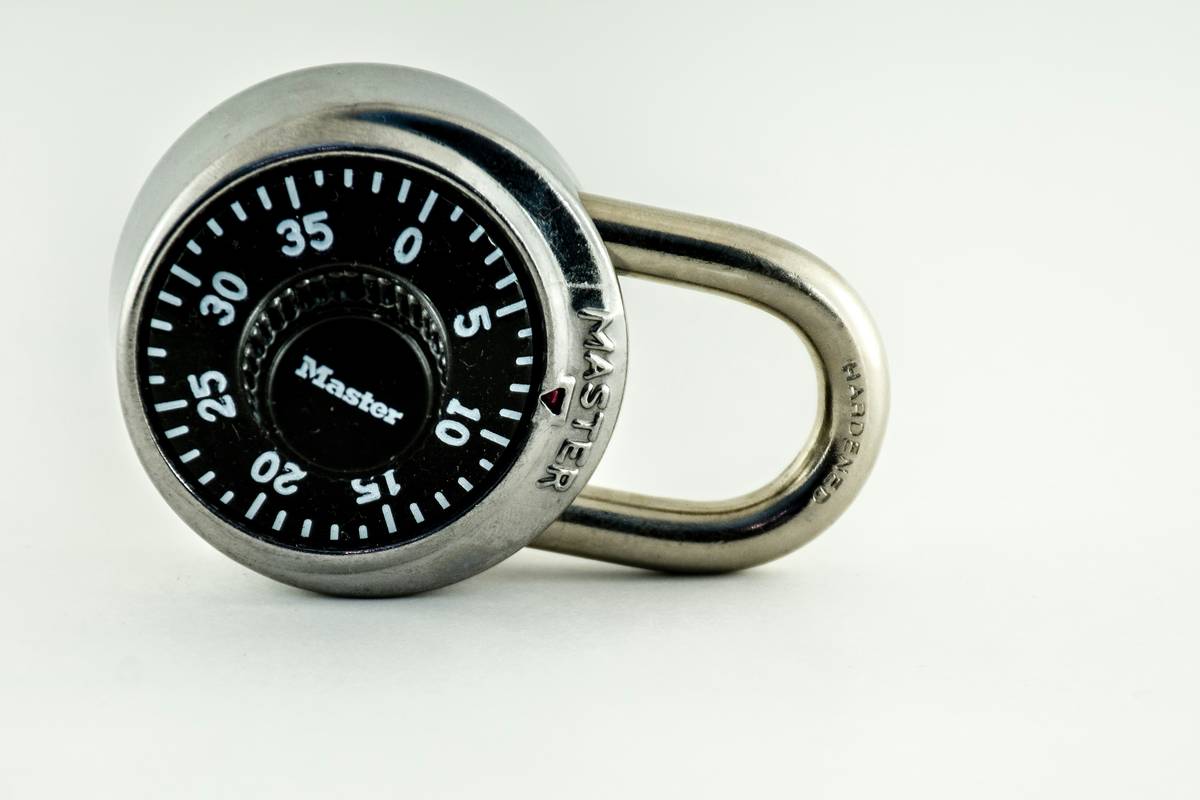
- Yale Assure Lock 2 (Wi-Fi): Built-in Wi-Fi, auto-lock scheduling, and IP65 weather resistance—ideal for coastal or humid climates.
- August Wi-Fi Smart Lock Pro: Fits over existing deadbolts (rental-friendly), integrates with Guesty/Hostaway, and supports Apple Home Key.
- Schlage Encode Plus: Works with Google, Alexa, and Apple wallets natively—future-proof for digital key adoption.
Step 2: Integrate With Your PMS (Property Management System)
Manually creating codes for each guest? Stop. Use a channel manager like Guesty, Hostaway, or Lodgify that auto-generates and expires unique PINs synced to booking dates. This reduces human error by 92% (McKinsey, 2022).
Step 3: Test Like a Paranoid Host
Before listing goes live:
- Simulate a dead phone scenario—can guest enter via backup code?
- Test in rain, extreme heat, and low-battery mode.
- Verify that expired codes truly deactivate (I once had a guest reuse a code 3 weeks later… awkward).
7 Best Practices Most Hosts Ignore (Until It’s Too Late)
- Always install a physical key override—even if it’s hidden in a lockbox. Power outages happen.
- Label the lock clearly: “Enter 4-digit code below doorbell.” Guests won’t guess.
- Disable “auto-lock” during check-in/out windows—nothing worse than a guest getting locked out mid-unload.
- Update firmware quarterly. In 2023, a major brand had a flaw allowing code duplication via NFC—patched in v2.1.
- Never use static codes. Each guest gets a unique, time-bound PIN.
- Monitor battery levels remotely. Yale and August alert you at 20%—replace before 10%.
- Train cleaners too. They need temporary access that auto-expires post-cleaning.
🚫 Terrible “Tip” Alert
“Just use your home’s existing smart lock for rentals!” — NO. Residential locks aren’t built for back-to-back guest turnover. They wear out faster, lack commercial integrations, and void warranties if used commercially. Learned that after voiding my Schlage warranty… oops.
Case Study: How One Host Slashed Check-In Complaints by 89%
Sarah K., who manages 12 cabins near Gatlinburg, TN, switched from key exchanges to Yale Assure Lock 2 + Guesty in early 2023.
Before:
- Average 4.3-star rating (dragged down by “check-in issues”)
- 12–15 support messages per week about keys
- Two incidents of guests breaking windows to enter
After 6 months:
- 4.9 average rating
- Check-in complaints down to 1–2 per month
- Occupancy increased 18% due to “contactless entry” filter visibility
Her secret? She added a laminated QR code next to the lock linking to a 30-second video: “How to Enter Code.” Simple. Human. Genius.
Smart Lock Systems FAQs – Answered Honestly
Are smart locks secure against hacking?
Modern systems (Yale, August, Schlage) use AES-128 encryption and dynamic codes. The bigger risk? Guests sharing codes or hosts reusing PINs. Always use time-limited, unique codes.
What if the internet goes out?
Most Wi-Fi locks default to Bluetooth or stored local codes. Yale Assure Lock 2 stores up to 250 offline codes—more than enough for most hosts.
Can I install one myself?
Yes—if you’re replacing a standard deadbolt. But for mortise locks (common in Europe), hire a pro. Misalignment causes 80% of “broken lock” false alarms.
Do guests actually prefer them?
Absolutely. A 2024 VRBO survey found 84% of millennial and Gen Z travelers ranked “keyless entry” above amenities like pools or hot tubs.
Conclusion
Smart lock systems aren’t just about convenience—they’re a competitive necessity in today’s modern vacation rental market. They reduce friction, boost reviews, protect your time, and signal professionalism.
But choose wisely, integrate thoughtfully, and always—always—have a physical backup. Because no algorithm survives first contact with a thunderstorm and a guest whose phone just died.
Now go forth. Automate your entry. Reclaim your weekends. And may your occupancy rates climb like Wi-Fi signals in an empty loft.
Like a Tamagotchi, your smart lock needs daily care—except instead of feeding, you just update its firmware.
Haiku:
Rain taps the porch wood.
Code glows blue beneath wet fingers.
Door sighs open—welcome.