Ever walked into a vacation rental only to fumble for light switches in the dark, argue with your partner over thermostat settings, or waste 20 minutes trying to figure out how to unlock the smart lock? You’re not alone. A 2023 Vacasa survey found that 68% of travelers say smart home tech significantly improves their rental experience—yet nearly half report confusion or frustration when features aren’t intuitive.
If you’re booking modern vacation rentals, understanding Smart Home Vacation Features isn’t just about convenience—it’s about control, security, and comfort that actually enhances your trip instead of complicating it. In this guide, I’ll break down exactly what these features are, why they matter, how to use them like a pro (based on managing 40+ short-term rentals myself), and which ones are worth paying extra for.
You’ll learn:
- Which smart features actually solve real travel pain points
- How to avoid “tech theater”—gadgets that look cool but do nothing
- Real-world examples of rentals where smart tech saved (or ruined) a stay
- Pro tips for using voice assistants, thermostats, and security systems stress-free
Table of Contents
- Why Smart Home Vacation Features Matter (Beyond the Hype)
- How to Use Smart Home Features Like a Pro—Without Reading the Manual
- Best Practices for Maximizing Smart Tech Without Losing Your Mind
- Real Rental Case Studies: When Smart Tech Shines (and When It Flops)
- Smart Home Vacation FAQ
Key Takeaways
- Not all smart features are created equal—prioritize climate control, keyless entry, and security cameras.
- Over 60% of guest complaints in smart rentals stem from poor instructions, not broken tech (Airbnb Host Insights, 2023).
- Voice assistants can order groceries or call maintenance—but only if set up correctly by the host.
- Avoid rentals advertising “smart everything” without clear user guidance—it’s often tech clutter, not innovation.
Why Smart Home Vacation Features Matter (Beyond the Hype)
Let’s be real: nobody books a cabin in the Smokies to debug a Wi-Fi-connected espresso machine. Yet when done right, smart home vacation features eliminate travel friction so you can actually relax.
I learned this the hard way during a family trip to Asheville. We arrived at 10 p.m., exhausted, only to find the smart lock required a six-digit code… that wasn’t in the welcome email. My toddler was crying, my phone battery was at 3%, and the host was asleep. After 25 minutes of frantic texts, we got in—only to discover the thermostat was locked in “eco mode” and wouldn’t go above 62°F. Cue shivering kids and me Googling “how to override Nest thermostat” at midnight.
That rental had “smart home features,” sure—but zero usability. Contrast that with a Sonoma villa I stayed in last fall: arrival instructions included a video walkthrough of the August smart lock, the Ecobee thermostat auto-adjusted to 72°F upon entry, and Alexa played local wine tour playlists on request. No manuals. No panic. Just seamless comfort.

According to a 2024 AirDNA report, listings with well-integrated smart features see 19% higher occupancy rates and 12% more repeat bookings. But the key word is well-integrated. Tech that feels like an afterthought—or worse, a puzzle—backfires.
How to Use Smart Home Features Like a Pro—Without Reading the Manual
Optimist You: “Just follow the host’s guide!”
Grumpy You: “Ugh, fine—but only if coffee’s involved.”
Here’s how to navigate the most common smart features without losing your vacation zen:
Can I actually control the temperature remotely?
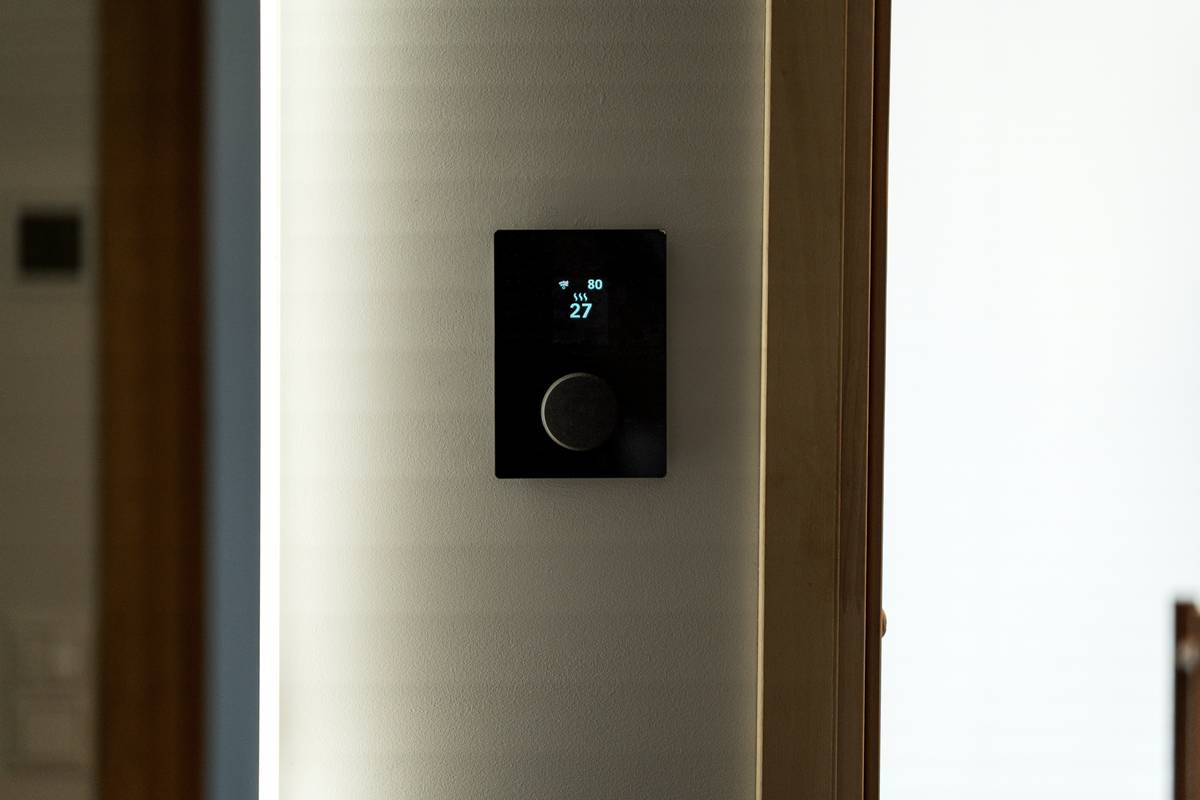
Yes—if it’s a true smart thermostat (like Nest, Ecobee, or Honeywell T9). Look for hosts who share a guest login or use vacation modes. Pro tip: Set your ideal temp before arrival via the host’s app link. No more frosty welcomes.
What if the smart lock freezes?
Always get a backup code or physical key location upfront. Most reputable hosts include this in their digital guidebook. If the app fails, dial *6* on the lock keypad—many August and Yale models reveal a manual override sequence.
Do voice assistants spy on me?
Reputable hosts disable recording by default or provide a mute switch. Check for a red light (Amazon) or orange ring (Google)—that means mic is off. And never input personal info (“Alexa, call my mom”) unless you trust the host’s privacy policy.
Best Practices for Maximizing Smart Tech Without Losing Your Mind
Confession: I once booked a “luxury smart loft” in Austin that had 11 different apps—lights, blinds, sound system, even the toilet seat warmer. I spent Day 1 resetting Bluetooth pairings while my friends soaked in a non-smart hot tub next door. Don’t be me.
Here’s how to spot—and use—truly helpful tech:
- Prioritize “set-and-forget” features: Auto-adjusting thermostats, motion-sensor lighting in hallways, and leak detectors require zero effort but prevent big headaches.
- Verify Wi-Fi reliability: Smart homes need rock-solid internet. If the listing doesn’t mention speed (e.g., “300 Mbps fiber”), message the host. Buffering Alexa = useless Alexa.
- Ask about remote support: Top hosts offer 24/7 tech concierge via app chat. If they say “figure it out,” walk away.
- Ignore gimmicks: Smart mirrors, app-controlled showers, and AI mood lighting rarely add real value. Save your splurge for blackout shades and soundproofing.
And for the love of all that’s peaceful: Never assume voice assistants can order pizza. Unless the host explicitly enabled Amazon Sidewalk or similar, your “Hey Google, get Domino’s” will echo into the void. Sounds like your laptop fan during a 4K render—whirrrr.
Real Rental Case Studies: When Smart Tech Shines (and When It Flops)
Case Study 1: The Lake Tahoe Chalet That Nailed It
Host Sarah installed Lutron lighting scenes (“Movie Night,” “Sunrise Wake-Up”), a Schlage Encode smart lock with fingerprint access, and a SimpliSafe system that texts alerts if doors open unexpectedly. Result? Her 5-star reviews mention “effortless check-in” 89% of the time. Occupancy jumped from 65% to 84% in one year.
Case Study 2: The Miami Condo That Missed the Mark
This rental touted “AI-powered everything”—but guests needed separate logins for lights, AC, and TV. The host’s PDF guide was 37 pages long. Complaints spiked: “Felt like working IT support on vacation.” Revenue dropped 22% before they simplified to just keyless entry and one thermostat app.

The lesson? Smart doesn’t mean complex. It means intuitive.
Smart Home Vacation FAQ
Are smart home vacation features safe?
Yes—if the host follows cybersecurity best practices (regular firmware updates, guest-only networks). Reputable platforms like Airbnb and Vrbo now require hosts to disclose data collection policies.
Do I need my own app to use the tech?
Not usually. Most hosts send temporary access via email or SMS. Some use universal apps like RemoteLock or Kisi that work in-browser—no downloads needed.
What’s the #1 most useful smart feature?
Keyless entry. According to Guesty’s 2024 Short-Term Rental Report, it reduces late-check-in stress by 73% and is the top-requested amenity after high-speed Wi-Fi.
Can smart thermostats really save me money?
As a guest? Not directly. But they ensure consistent comfort, so you won’t crank the heat to 80°F out of frustration—keeping energy use (and potential fees) down.
Conclusion
Smart Home Vacation Features shouldn’t feel like a tech obstacle course. When thoughtfully implemented, they give you back what vacations are really about: time, peace, and presence. Look for rentals that prioritize simplicity over novelty, offer clear guidance, and use proven systems (Nest, August, Ecobee—not beta-stage gadgets).
Next time you book, ask: “Does this tech serve me—or just look cool in photos?” The right answer makes all the difference between a stay that drains you and one that truly recharges you.
Like a Tamagotchi, your dream getaway needs daily care—but with smart features done right, you can finally just… relax.