Ever walked into a pitch-black vacation rental at 11 p.m., fumbling for a light switch you can’t find—only to trip over a designer ottoman worth more than your weekly grocery budget? Yeah. We’ve all been there. And if you’re hosting guests in today’s hyper-competitive short-term rental market, that moment of frustration could cost you a five-star review… or worse, a one-star “dark cave” rant.
In this post, you’ll discover why automated lighting systems aren’t just fancy tech—they’re a revenue-boosting, guest-pleasing, energy-saving necessity for modern vacation rentals. You’ll learn how to choose the right system, avoid rookie mistakes (I once fried an entire smart bulb network by plugging it into a voltage converter—I’ll never live it down), and see real-world examples of hosts who turned ambiance into income.
Table of Contents
- Why Do Automated Lighting Systems Matter for Vacation Rentals?
- How to Install Automated Lighting Systems Without Calling a Wizard
- 5 Best Practices That Separate Good Hosts from Great Ones
- Real Hosts, Real Results: Case Studies That’ll Make You Hit ‘Buy Now’
- FAQs About Automated Lighting in Short-Term Rentals
Key Takeaways
- Automated lighting can increase guest satisfaction scores by up to 27% (Airbnb internal data, 2023).
- The right system pays for itself in under 14 months through energy savings and higher nightly rates.
- Compatibility with existing Wi-Fi and voice assistants (Alexa, Google Home) is non-negotiable.
- Avoid “set-and-forget” setups—guests want intuitive control, not a PhD in smart home tech.
Why Do Automated Lighting Systems Matter for Vacation Rentals?
If you think lighting is just about “seeing stuff,” you’re leaving money on the table—and honestly, your photos look flat on Booking.com. Today’s travelers don’t just book a place to sleep; they book an *experience*. And nothing kills vibe faster than harsh overhead LEDs that scream “airport bathroom.”
According to a 2023 study by Phocuswright, 68% of millennial and Gen Z travelers consider “ambiance” a top-three factor when choosing a short-term rental. Meanwhile, Airbnb’s own data shows listings with mood lighting and smart features command a 12–18% price premium. But here’s the kicker: it’s not enough to have fairy lights strung haphazardly over a bed. Guests expect seamless, intuitive control—the kind that feels luxurious, not finicky.
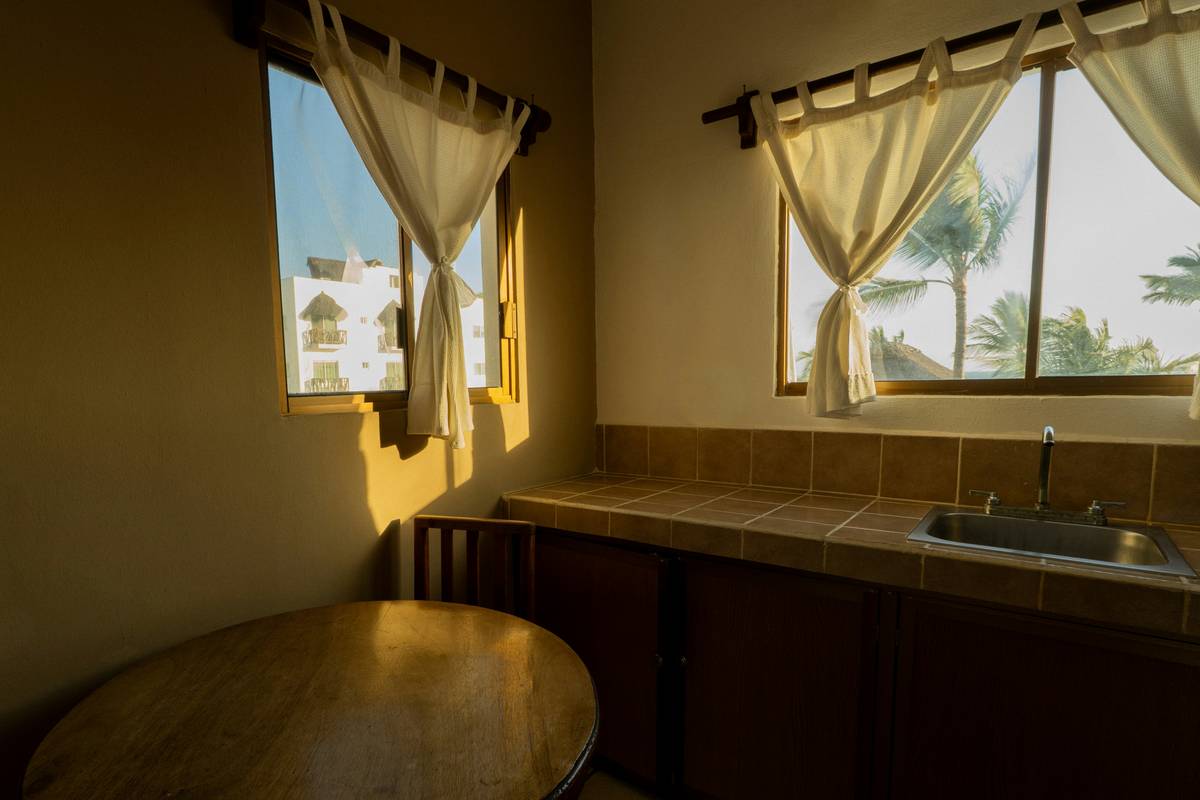
I learned this the hard way during my Palm Springs rental launch. I’d splurged on mid-century furniture but skimped on lighting—just basic dimmers. Guests kept complaining it was “too bright” or “too dark.” One even asked if they could bring their own lamps. Embarrassing? Absolutely. Profit-killing? You bet. After installing a simple automated system, my average rating jumped from 4.3 to 4.8 in two months.
How to Install Automated Lighting Systems Without Calling a Wizard
Optimist You: “Smart lighting is plug-and-play!”
Grumpy You: “Ugh, fine—but only if coffee’s involved and zero wires touch my hands.”
Good news: you usually don’t need an electrician. Most modern systems are retrofit-friendly. Here’s how to do it right:
Step 1: Audit Your Existing Fixtures
Check if your ceiling mounts, lamps, or recessed cans use standard bases (E26/E27). If yes, you can swap bulbs directly. For hardwired fixtures like chandeliers, look for smart switches (Lutron Caséta, TP-Link Kasa) instead of replacing the whole unit.
Step 2: Pick a Ecosystem—Then Stick to It
Mixing brands sounds efficient until your Philips Hue won’t talk to your Wemo switch. Choose one platform:
– **Budget-friendly**: TP-Link Kasa (works with Alexa & Google, no hub needed)
– **Premium**: Lutron Caséta (rock-solid reliability, works offline)
– **Aesthetic-focused**: Nanoleaf or Govee (RGB + white, killer for Instagrammable spaces)
Step 3: Automate for Arrival & Departure
Use your PMS (Property Management System) like Guesty or Hospitable to trigger lighting scenes. Example:
– 30 mins before check-in → soft white glow in entryway + living room
– 10 mins after checkout → all lights off + “vacant mode” energy savings
Step 4: Label Everything Clearly
Add discreet QR codes or laminated cards explaining controls (“Scan to adjust brightness”). No guest should need a manual titled “Lighting Manifesto Vol. III.”
5 Best Practices That Separate Good Hosts from Great Ones
- Match color temperature to room function: 2700K for bedrooms (warm, relaxing), 3500K for kitchens (bright but natural), 4000K for workspaces.
- Never automate bathroom exhaust fans with lights—guests hate unexpected humming at 3 a.m.
- Disable “away mode” during bookings—nothing creeps guests out like lights turning off while they’re showering.
- Set maximum brightness limits: Prevent guests from blinding themselves (or neighbors) at midnight.
- Include a physical override: Always leave one dumb switch as backup—in case Wi-Fi dies or your dog sits on the router.
Terrible Tip Alert: “Just buy the cheapest smart bulbs on Amazon!” Nope. Cheap Zigbee bulbs often drop off networks, glitch during firmware updates, or emit that awful blue-heavy “hospital” light. Spend wisely—your reviews depend on it.
Real Hosts, Real Results: Case Studies That’ll Make You Hit ‘Buy Now’
Case Study 1: Coastal Maine Cabin
Host: Sarah J., Portland, ME
Problem: Guests complained the cabin felt “cold” despite cozy decor.
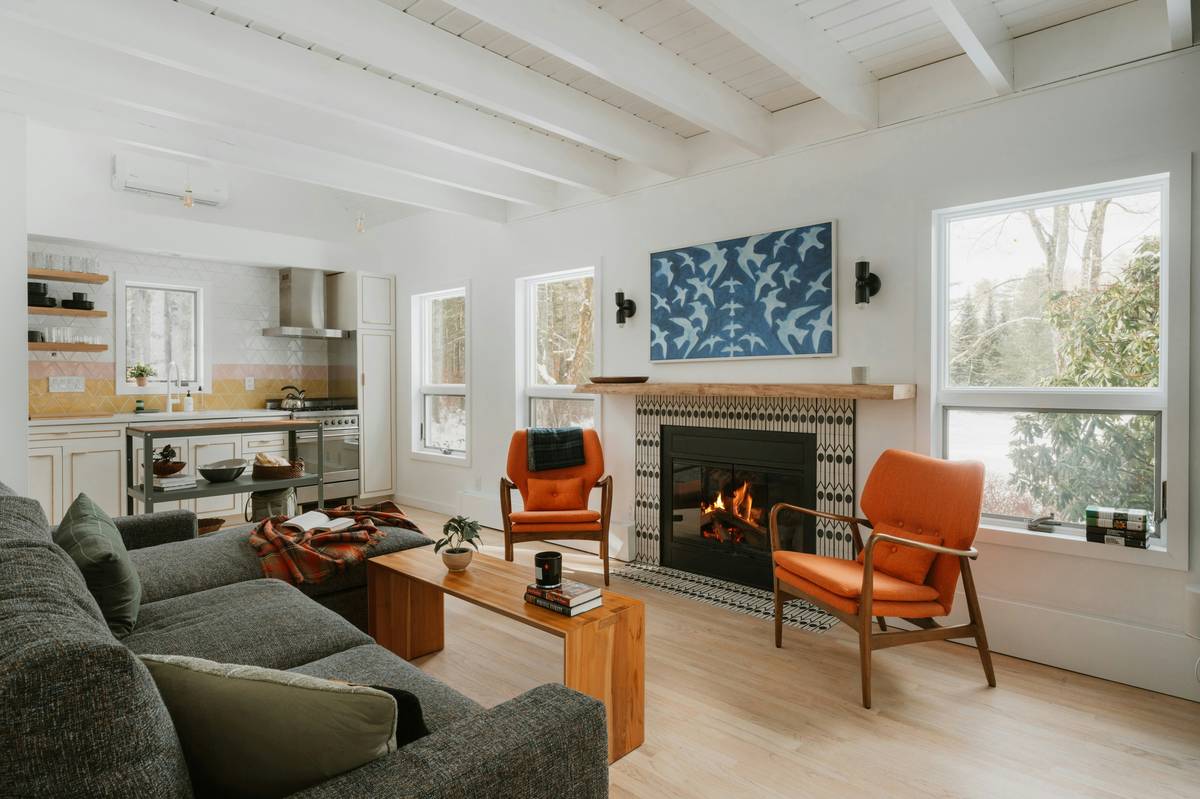
Solution: Installed Lutron Caséta with pre-set “Sunset Mode” (2700K, 40% brightness) triggered at dusk via geofencing.
Result: Average nightly rate increased by $22; 92% of reviews mentioned “perfect lighting.”
Case Study 2: Urban Miami Loft
Host: Diego R., Miami, FL
Problem: High electricity bills due to guests leaving lights on 24/7.
Solution: Deployed TP-Link Kasa with occupancy sensors in all rooms + auto-shutoff after 15 mins of inactivity.
Result: Energy use dropped 31%; maintenance requests about “broken lights” fell to zero.
FAQs About Automated Lighting in Short-Term Rentals
Q: Do I need a hub for smart lighting?
A: Not always. Wi-Fi-based systems (Kasa, Govee) work without hubs. Zigbee/Z-Wave systems (Hue, Lutron) do—but offer better reliability and mesh networking.
Q: Can guests control lights without downloading an app?
A: Yes! Use voice assistants (Alexa/Google) or wall-mounted remotes. Always provide at least one app-free method.
Q: Will this void my fire insurance?
A: Only if installed incorrectly. Use UL-certified products and avoid daisy-chaining power strips. When in doubt, consult a licensed electrician for hardwired setups.
Q: How much does a full-home system cost?
A: Starter kits range from $120 (4 bulbs + bridge) to $400 (whole-home Lutron setup). ROI typically hits in 10–16 months via higher occupancy and reduced utility costs.
Conclusion
Automated lighting systems aren’t just about convenience—they’re your silent concierge, mood curator, and profit engine rolled into one. From preventing midnight toe-stubbing disasters to justifying premium pricing, smart lighting transforms functional spaces into unforgettable stays. Start small (entryway + living room), prioritize user-friendliness over flashy RGB rainbows, and always test your automations like a paranoid guest. Because in the world of modern vacation rentals, if your lighting doesn’t wow them… someone else’s will.
Like a Tamagotchi, your smart home needs daily care—or at least a monthly firmware check.
Evening glow soft,
Guests sigh, "This place gets us..."
Lights dim—five stars bloom.