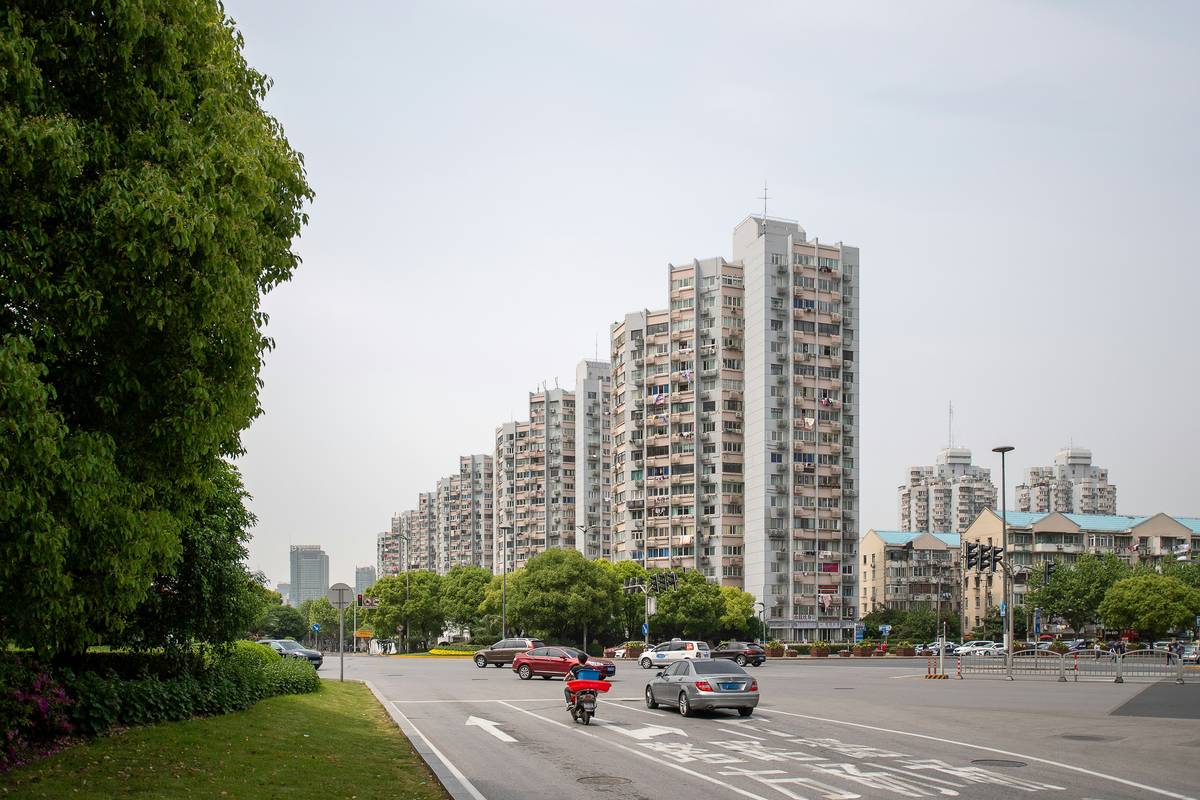
You booked a sleek downtown loft. The photos were stunning. But on arrival, you realized your “urban escape” meant 20-minute Uber rides just to grab coffee—or worse, circling blocks for parking while your kids melt down. Frustrating? Absolutely. The truth is, most modern vacation rentals prioritize aesthetics over accessibility. Here’s the fix: anchor your stay in walkable neighborhoods. No more frantic logistics—just spontaneous strolls to hidden bakeries, waterfront parks, and local galleries.
The Hidden Cost of “Central” Stays That Aren’t Truly Walkable
Listing sites love slapping “downtown” or “city center” on anything within zip code range. Don’t fall for it. Proximity ≠ walkability. You might be near major roads but stranded without sidewalks, crosswalks, or nearby amenities. And those “convenient” stays often sit in car-dependent corridors masquerading as urban hubs.
Walk score algorithms help—but they’re not gospel. Real walkability means safe evening strolls, flat terrain, and actual foot traffic, not just theoretical access. Miss this distinction, and your romantic weekend becomes a series of rideshare receipts.
Your Step-by-Step Guide to Booking in Truly Walkable Neighborhoods
Map the Micro-Districts, Not Just the City
Annapolis isn’t one city—it’s layers. Eastport offers harbor-side charm with ferry access; West Annapolis blends residential calm with café culture. Zoom into street view. Look for corner stores, benches, wide sidewalks. If Google Street View shows empty lots and highway overpasses? Skip it.
Prioritize “Daily Life” Over Tourist Density
High foot traffic ≠ livability. Some tourist zones are packed but lack grocery stores, pharmacies, or even places to sit. True walkability supports routine needs—milk at 7 a.m., a dog park, laundry. These signal a neighborhood functioning for residents, not just visitors.
Verify On-the-Ground Transit & Terrain
Hills, broken sidewalks, or missing pedestrian signals can kill walkability—even if distances seem short. Check recent guest reviews for phrases like “steep hill,” “no crosswalks,” or “had to drive everywhere.” Also note bus routes or bike-share docks nearby—they often correlate with pedestrian infrastructure.
| Neighborhood Trait | Walkable (Ideal) | Not Walkable (Avoid) |
|---|---|---|
| Amenities Within 0.5 Miles | Grocery, café, pharmacy, park | Only hotels or souvenir shops |
| Sidewalk Quality | Continuous, wide, well-lit | Intermittent, cracked, or nonexistent |
| Evening Ambience | People walking dogs, open restaurants | Deserted streets after 8 p.m. |

The Industry Secret: Landlords Know Walkability Boosts Revenue—But Rarely Advertise It
Here’s what rental platforms won’t tell you: properties in certified walkable neighborhoods command 12–18% higher nightly rates—and still book faster. Why? Repeat guests. A truly walkable stay creates organic word-of-mouth because it delivers effortless joy. Yet most hosts bury this trait under generic tags like “cozy” or “modern.”
So dig deeper. Message the host directly: “Is it possible to get breakfast, lunch, dinner, and a sunset view—all on foot?” Their answer reveals more than any polished listing.

Frequently Asked Questions
What defines a walkable neighborhood?
A true walkable neighborhood lets you meet daily needs—food, transit, leisure—on foot within 10–15 minutes, with safe, connected sidewalks and active street life.
Are walkable neighborhoods safer for solo travelers?
Generally, yes. Active sidewalks and “eyes on the street” deter crime. Well-lit, populated blocks after dark significantly reduce risks compared to isolated rental zones.
Can I find walkable vacation rentals near Annapolis seafood spots?
Absolutely. Areas like Dock Street and Eastport place iconic crab shacks, marinas, and boutiques within easy walking distance—no car required.