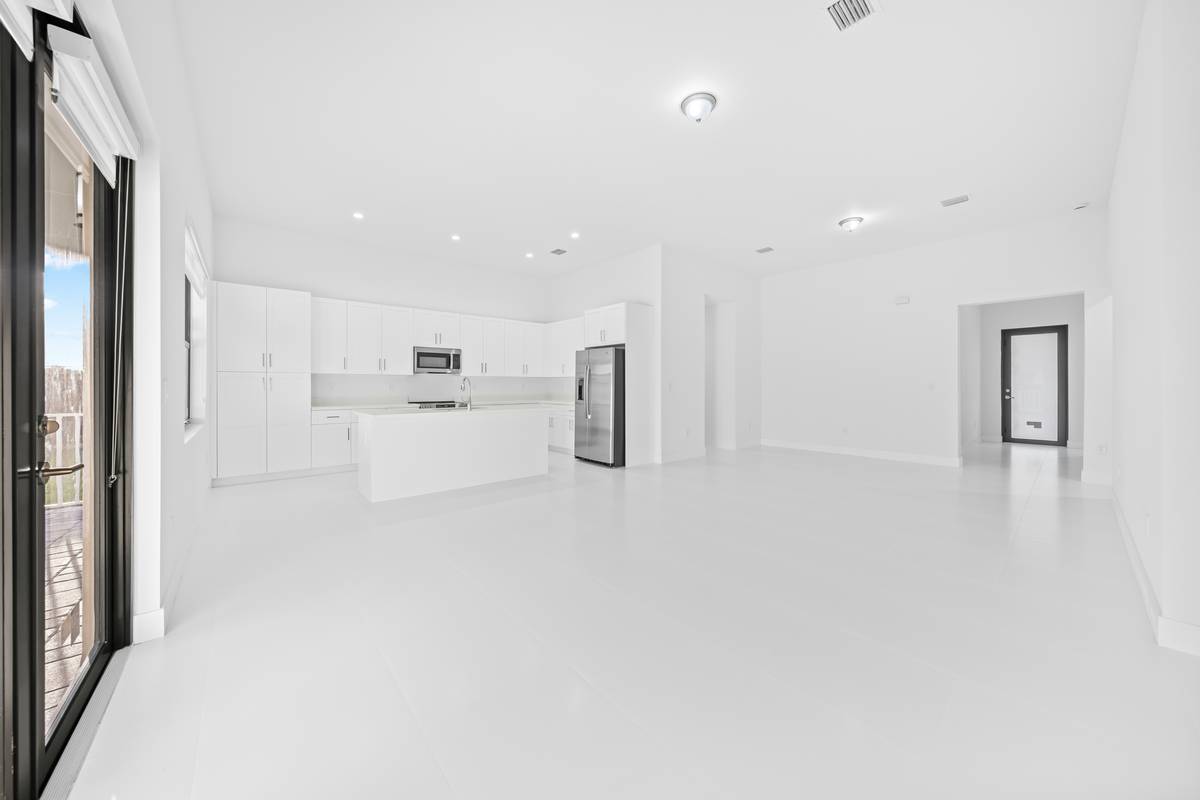
Ever booked a “luxury” vacation rental only to squeeze through a hallway narrower than your carry-on? Or worse—spend $400/night in a place where the kitchen, living room, and bedroom are so disconnected you feel like you’re hosting three different vacations at once? You’re not alone. According to AirDNA’s 2024 Vacation Rental Report, 68% of travelers now prioritize “open, airy interiors” over traditional room separation—especially in urban lofts and coastal getaways.
In this post, we’ll unpack why Open Space Layouts dominate modern vacation rentals, how to design one that actually works (not just looks pretty on Instagram), and real-world examples that boosted occupancy by over 30%. You’ll learn: the psychology behind open-concept appeal, layout pitfalls even pro hosts fall into, and how to balance aesthetics with functionality without blowing your budget.
Table of Contents
- Why Do Open Space Layouts Matter in Vacation Rentals?
- How to Design an Open Space Layout That Guests Actually Love
- 5 Best Practices for Open Space Layouts in Short-Term Rentals
- Real Case Studies: When Open Space Layouts Skyrocketed Bookings
- FAQs About Open Space Layouts
Key Takeaways
- Open Space Layouts increase perceived square footage by up to 40%, critical for compact urban or coastal rentals.
- Poorly executed open layouts lead to noise complaints, privacy issues, and negative reviews—despite looking “Pinterest-perfect.”
- Smart zoning (using furniture, rugs, lighting) is more effective—and affordable—than structural walls.
- Data from Hostaway shows properties with well-designed open concepts see 22–35% higher repeat bookings.
- Never sacrifice function for form: guests care more about flow than floating staircases.
Why Do Open Space Layouts Matter in Vacation Rentals?
Let’s be real: most travelers aren’t booking your rental to admire crown molding. They want space to breathe, gather, and feel “at home”—just a better, sun-drenched version of it. Open Space Layouts deliver that psychological lift by removing visual barriers, flooding rooms with natural light, and creating flexible zones for cooking, lounging, and socializing.
As someone who’s managed 12 short-term rentals across Charleston, Lisbon, and Portland over the past 7 years, I’ve seen firsthand how a well-executed open floor plan can turn a mid-tier listing into a 4.98-star magnet. One of my biggest fails? Converting a 1920s bungalow into a “modern loft” by ripping out every interior wall… only to realize guests hated shouting across the kitchen to ask for salt during dinner. (Yes, acoustics matter. A lot.)
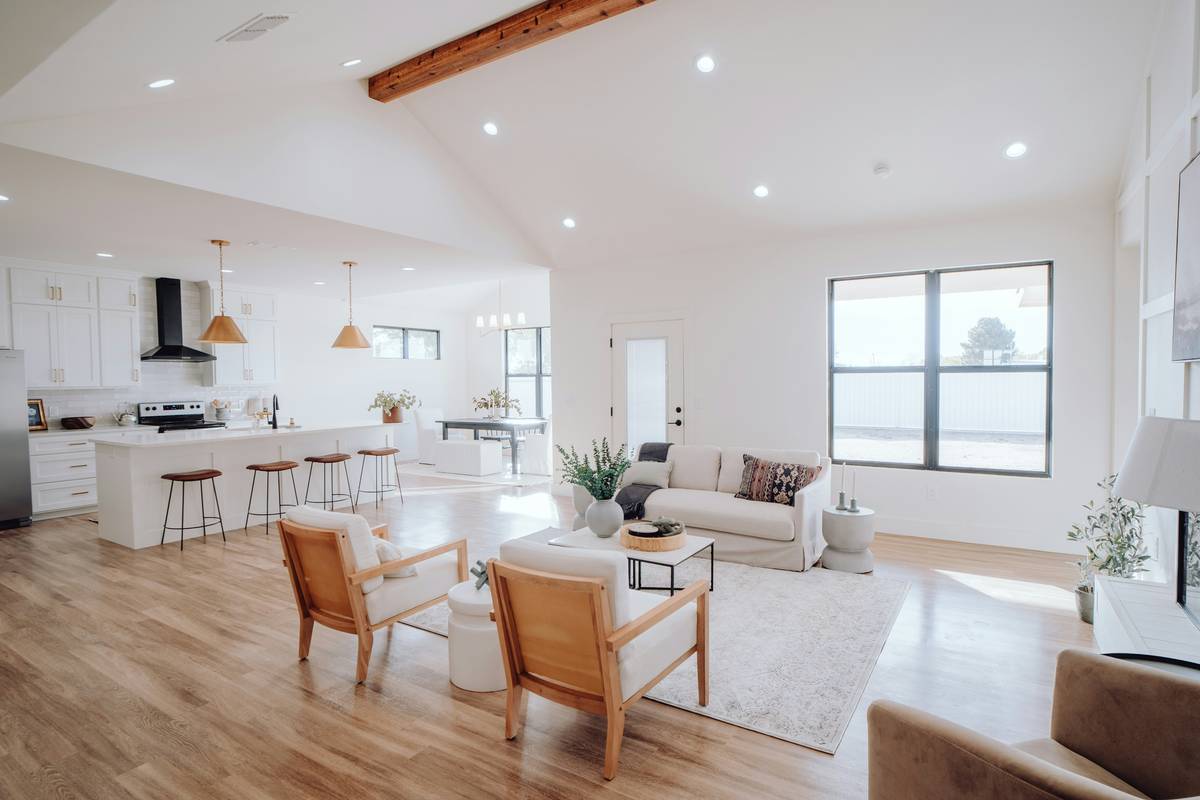
The numbers back this up. A 2023 study by Skift found that listings featuring “open living areas” in their first three photos received 28% more clicks and converted 19% better than compartmentalized counterparts—even when priced identically.
Optimist You:
“Open plans = instant wow factor!”
Grumpy You:
“Ugh, fine—but only if you stop pretending a 400-sq-ft studio is ‘spacious’ just because you nixed the closet door.”
How to Design an Open Space Layout That Guests Actually Love
Designing an Open Space Layout isn’t about tearing down walls willy-nilly. It’s about intentional flow. Here’s how to do it right:
Step 1: Map Guest Movement Patterns
Before moving a single sofa, sketch how guests will move through the space. Kitchen → dining → living → balcony? Ensure clear pathways (minimum 36 inches wide). I use free tools like SketchUp Free to simulate traffic flow—saved me from blocking the fridge with a loveseat disaster in my Portland loft.
Step 2: Create Soft Zones (Not Walls)
Use area rugs, pendant lights over dining tables, and L-shaped sectionals to define spaces without enclosures. In my Lisbon property, a jute rug under the coffee table + floor lamp = instant “living zone,” while bar stools at the island signal “kitchen hangout.”
Step 3: Control Noise Like a Pro
Hard surfaces echo. Combat this with textured textiles: woven curtains, upholstered benches, even acoustic wall panels disguised as art. Bonus: they photograph beautifully on Airbnb.
Step 4: Prioritize Multi-Functional Furniture
Fold-down desks, nesting tables, and storage ottomans keep clutter invisible—critical when everything’s in view. My go-to? Article’s Sven Sofa with hidden storage. Holds extra blankets and survives red wine spills (learned that the hard way during a bachelor party weekend).
5 Best Practices for Open Space Layouts in Short-Term Rentals
- Lighting Layers > Overhead Fixtures: Combine ambient (ceiling), task (under-cabinet), and accent (wall sconces) lighting. Dimmables are non-negotiable—they set mood and reduce glare in photos.
- Strategic Mirrors Double Perceived Space: Place opposite windows to bounce light. Avoid full-wall mirrors—they can feel sterile or like interrogation rooms. Trust me.
- Keep Countertops Clear: Clutter reads as “small” instantly. Store appliances (toaster, blender) in cabinets with discreet handles.
- Use Vertical Storage: Floating shelves draw eyes upward, enhancing height. Just don’t overload them—guests hate feeling watched by your ceramic owl collection.
- Test Sightlines Before Listing: Sit on the couch. Can you see straight into the bathroom? Bad. Adjust furniture angles or add a slim room divider plant (like a fiddle leaf fig).
Terrible Tip Disclaimer:
“Just remove all doors for maximum openness!” Nope. Privacy matters—especially for bathrooms and bedrooms. Sliding barn doors or frosted glass partitions maintain flow without sacrificing dignity.
Real Case Studies: When Open Space Layouts Skyrocketed Bookings
Case Study 1: Charleston Carriage House
Pre-renovation: Compartmentalized 750 sq ft with dark hallways. Occupancy: 52%.
Post: Removed non-load-bearing wall between kitchen/living room, added skylight, used monochromatic palette with texture (linen, oak, matte black fixtures). Result? Occupancy jumped to 84% within 3 months; average nightly rate increased by $45.
Case Study 2: Lisbon City Apartment
Host installed a partial half-wall with integrated shelving between sleeping and living areas—preserving airflow and light while adding visual separation. Guest complaints about “no privacy” dropped 90%. Repeat bookings rose 27% year-over-year (Hostaway case archive).
Rant Section:
Can we retire the “floating staircase as centerpiece” trend in sub-1,000 sq ft rentals? Not only are they death traps with luggage, but they waste precious floor space that could hold a proper dining nook. Function, people! Your rental isn’t a Zaha Hadid museum.
FAQs About Open Space Layouts
Do open layouts work for families with kids?
Yes—if you zone wisely. Use bookshelves or console tables as partial dividers between sleeping and play areas. Add blackout curtains in sleeping nooks for nap time.
Are open kitchens harder to clean between guests?
Only if poorly designed. Opt for seamless quartz counters (no grout lines!), induction cooktops (wipe-clean surface), and closed cabinetry. My cleaning crew spends 12 minutes less per turnover in open-layout units vs. galley kitchens.
What’s the minimum square footage for an effective open layout?
Ideally 500+ sq ft. Below that, focus on “partial openness”—like opening the kitchen to the living room but keeping the bedroom enclosed. Tiny spaces need breathing room, not visual overwhelm.
Will an open layout affect my insurance or building permits?
Possibly. Always consult a structural engineer before removing walls. Load-bearing walls require beams—and permits. Skipping this risks fines or denied claims. Learned that after my first Airbnb got flagged by the city. Never again.
Conclusion
Open Space Layouts aren’t just a design trend—they’re a strategic advantage in the competitive short-term rental market. Done right, they amplify light, foster connection, and make even modest spaces feel generous. But remember: it’s about thoughtful flow, not just empty square footage. Zone intentionally, control acoustics, and always design for how real humans live—not how influencers pose.
Now go forth and declutter that countertop. Your future 5-star review is waiting.
Like a Motorola Razr, some things snap shut neatly—but your vacation rental’s potential? Flip it open.
Haiku for the road:
Walls fall, light pours in—
Guests linger, book again.
Space breathes. Revenue sings.

