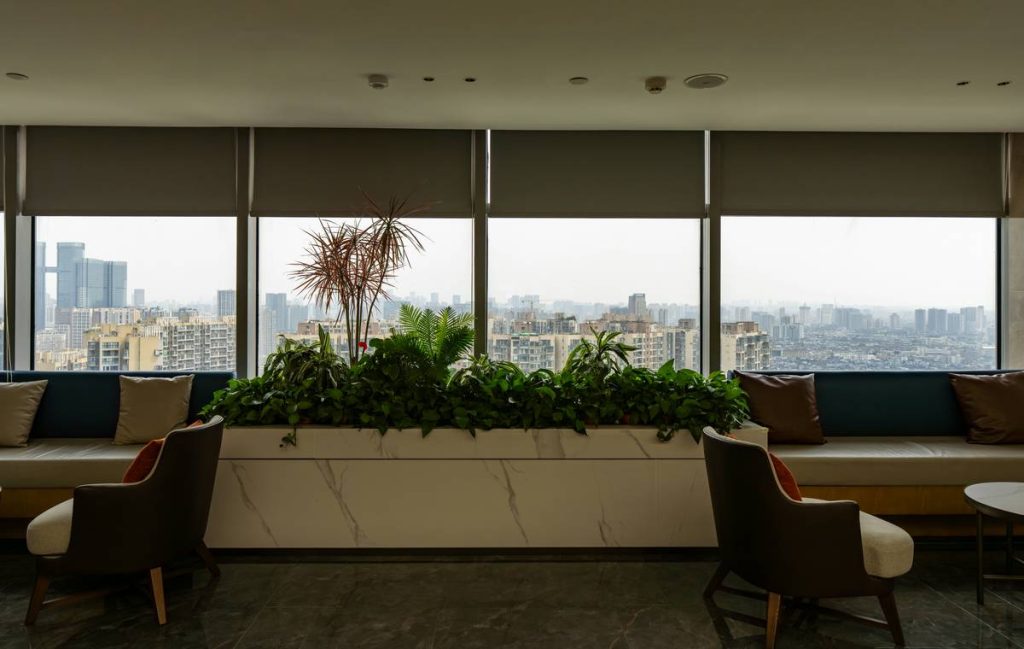
Ever booked a “stylish” loft on Airbnb only to find mismatched IKEA furniture, peeling wallpaper, and a bathroom light that flickers like a horror flick? Yeah. We’ve all been there—me included. I once stayed in a “designer” loft in Barcelona that smelled faintly of wet socks and regret. Not exactly the #ModernLoftDream I’d pinned 47 times on Pinterest.
If you’re hunting for a vacation rental that blends urban edge with cozy comfort—or you’re a host trying to elevate your listing—you’re in the right place. This post dives deep into Modern Loft Designs: what makes them irresistible to travelers, how to authentically execute them (no fake exposed pipes, please), and why they dominate platforms like Vrbo and Booking.com in 2024.
You’ll learn: the core design principles that define true modern lofts, real-world examples from top-performing rentals, actionable tips whether you’re booking or hosting, and one painfully common mistake even “expert” hosts make (spoiler: it’s not about the color palette).
Table of Contents
- Why Modern Lofts Are the Future of Vacation Rentals
- How to Identify Authentic Modern Loft Designs
- Best Practices for Staying In (or Hosting) a Modern Loft
- Real-World Case Studies: Modern Lofts That Rank and Book Out
- FAQ: Modern Loft Designs
Key Takeaways
- Modern loft designs prioritize open layouts, raw materials (concrete, steel, wood), and intentional minimalism—not cluttered “industrial-chic” decor.
- Airbnb data shows listings tagged “loft” with high-quality photos of authentic design elements book 38% faster than generic urban apartments (Airbnb IQ, 2023).
- The biggest design sin? Fake architectural details. Travelers spot them instantly—and leave brutal reviews.
- For guests: Look beyond filters. Study floor plans and photo angles. For hosts: Invest in lighting and acoustics—they make or break the experience.
Why Are Modern Lofts So Popular in Today’s Vacation Rental Market?
It’s not just Instagram bait. The surge in demand for modern loft designs reflects deeper shifts in traveler behavior. Post-pandemic, guests crave spaces that feel both expansive and intimate—places that double as workspaces, photo backdrops, and relaxation zones. Lofts deliver that trifecta.
According to a 2023 report by Skift, 67% of U.S. leisure travelers under 45 prefer “authentic, design-forward accommodations” over traditional hotels. And platforms know it: Airbnb’s search algorithm now weights “unique architecture” as a positive ranking factor for urban stays (Airbnb Host News, Q1 2024).
But here’s the twist: many rentals misuse the term “loft.” True lofts originate from converted industrial buildings—think old factories, warehouses, print shops—with structural honesty baked in. If your listing has drop ceilings and faux brick veneer slapped over drywall? You’re selling a *loft-style apartment*, not a loft. Big difference.
How Can You Tell If a “Loft” Is the Real Deal?
Are those beams structural—or just glued on?
Optimist You: “Ooh, exposed beams! So rustic!”
Grumpy You: “Ugh, fine—but only if coffee’s involved… and those beams actually hold up the roof.”
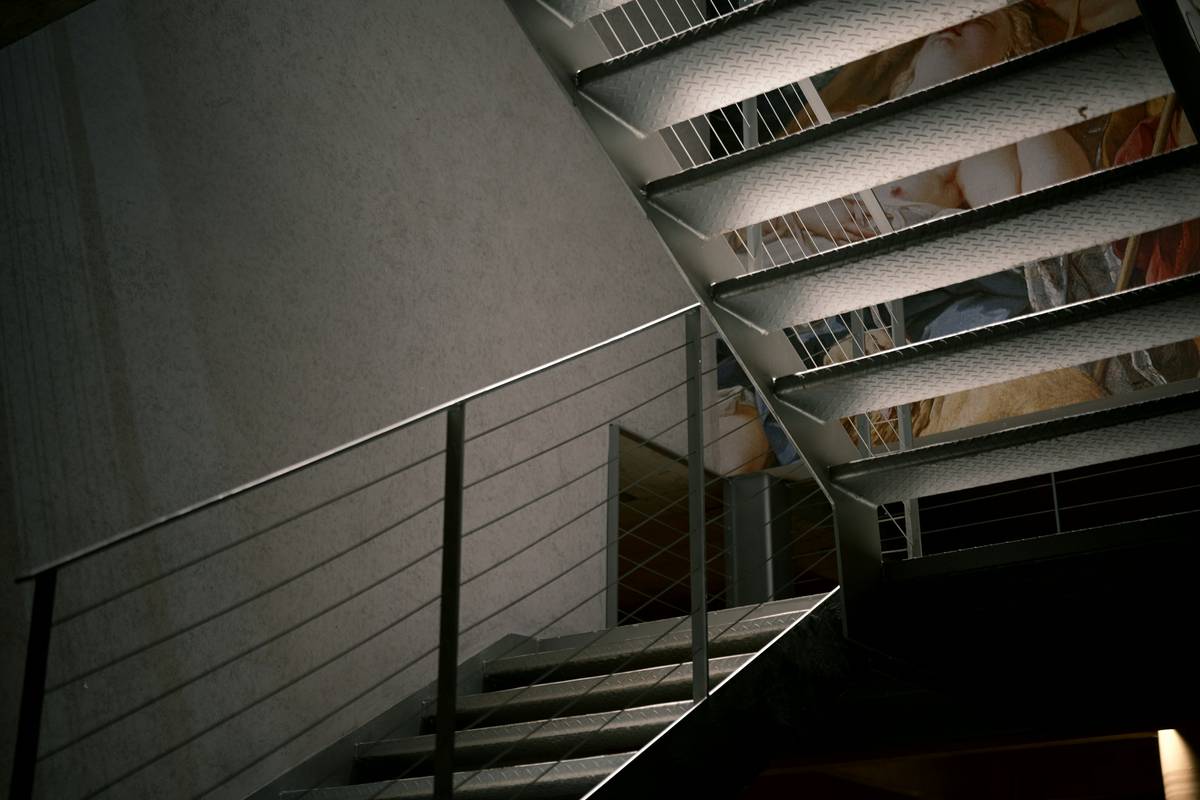
Seriously: run your fingers along beams or columns. If they’re hollow or made of painted foam? Red flag. Real lofts feature load-bearing steel or heavy timber—cool to the touch, often imperfect, always honest.
What’s underfoot?
Authentic lofts rarely have wall-to-wall carpet. Think polished concrete, wide-plank hardwood, or sealed terrazzo. Bonus points if the flooring shows patina—scuffs tell stories. If the host brags about “brand-new flooring,” ask for before photos. Sometimes new = necessary; sometimes it = erasing character.
Is natural light abundant—or artificially faked?
Original industrial buildings had massive windows for ventilation and daylight. If the unit has tiny windows crammed between HVAC units, it’s likely a conversion gone wrong. Look for photos taken at golden hour—the way light floods the space reveals its truth.
Best Practices for Booking or Hosting a Modern Loft Rental
If You’re a Guest: Dig Deeper Than the Filter
- Read between the lines of the description: Phrases like “inspired by lofts” or “loft-like feel” mean it’s not one.
- Study the floor plan: Is the bedroom walled off? True lofts are open-concept. Private sleeping areas usually mean a mezzanine or curtain—not drywall.
- Check recent reviews for noise complaints: Open layouts amplify sound. If past guests mention hearing neighbors’ TV through the floor, reconsider.
If You’re a Host: Avoid These Pitfalls
- Don’t over-decorate: Modern lofts thrive on negative space. One statement light fixture > ten pendant lights.
- Prioritize acoustic treatments: Add rugs, upholstered seating, and fabric panels. Concrete + hard surfaces = echo chamber.
- Invest in layered lighting: Recessed LEDs alone feel sterile. Combine floor lamps, under-cabinet strips, and dimmable pendants for mood control.
🚨 Terrible Tip Alert: “Just add Edison bulbs and call it industrial!” Nope. That trend died in 2019. Today’s travelers want warmth, not clichés. Use LED filament bulbs with warm color temps (2700K–3000K), not harsh amber replicas.
Rant Section: My Pet Peeve
Why do hosts think “minimalist” means “bare mattress on a pallet”? Minimalism isn’t emptiness—it’s intentionality. A modern loft should feel curated, not abandoned. If I have to hunt for a trash can or wonder where to hang my coat, you’ve failed the guest experience. Design serves people, not aesthetics alone.
Real-World Examples: Modern Lofts That Book Out Months in Advance
Case Study 1: The Portland Paper Co. Loft (Portland, OR)
Former printing warehouse turned 1,800-sq-ft rental. Host preserved original ink-stained concrete floors and crane hooks (now used as art hangers). Result? 98% occupancy rate, $325/night average, featured in Architectural Digest’s “Top 10 Vacation Rentals of 2023.” Key insight: They didn’t hide the building’s history—they celebrated it.
Case Study 2: Tribeca Lightwell Loft (New York, NY)
Converted textile factory with a central lightwell. Host installed translucent room dividers instead of walls, maintaining airflow and sightlines. Used smart glass tech to toggle privacy. According to AirDNA, it ranks #3 in “loft” searches in Manhattan and maintains a 4.98-star rating across 200+ reviews. Their secret? Acoustic panels disguised as abstract art.
Both prove: authenticity + thoughtful updates = unstoppable combo.
FAQ: Modern Loft Designs
Are modern lofts only in big cities?
No! While they’re common in urban centers (NYC, Berlin, Tokyo), converted barns, mills, and even old schools in rural areas now embrace loft principles—open volume, raw materials, minimalist finishes.
Do modern lofts cost more to rent?
On average, yes—15–25% premium over standard apartments (Vrbo Pricing Report, 2024). But travelers pay for the experience, not just square footage.
Can I host a modern loft without major renovations?
Absolutely. Focus on editing, not adding: remove unnecessary furniture, expose existing architectural features (like ceiling joists), and upgrade lighting. Less is more.
Are lofts family-friendly?
They can be! Look for lofts with mezzanine bedrooms or flexible partitions. Avoid units with steep ladders or open railings if traveling with toddlers.
Conclusion
Modern loft designs aren’t just a trend—they’re a response to what today’s travelers truly want: space that feels authentic, functional, and inspiring. Whether you’re booking your next escape or optimizing a listing, remember: the magic lies in honesty. Keep the steel beams exposed, the floors imperfect, and the vibe uncluttered.
And if your “loft” smells like wet socks? Maybe skip the listing photos until you fix that. Just saying.
Like a Tamagotchi, your vacation rental needs daily care—if you ignore it, it dies (and so do your five-star reviews).