
Ever booked a “luxury” hotel in downtown Lisbon, only to discover your “view” is a brick wall… and your room smells faintly of stale microwave popcorn? Yeah. We’ve all been there. In 2024, 68% of leisure travelers opted for alternative accommodations like urban apartment rentals over traditional hotels—according to AirDNA’s Global Short-Term Rental Report. Why? Because you’re not just booking a bed; you’re renting a slice of local life—with a full kitchen, laundry, and maybe even that killer rooftop terrace.
This guide cuts through the noise (and those sketchy listings with 3-star reviews titled “Avoid!!”) to show you exactly how to find, vet, and book the perfect urban apartment rental—whether you’re planning a solo writing retreat in Berlin or a family reunion in Mexico City. You’ll learn how to spot hidden fees, decode host communication styles, leverage loyalty perks, and avoid my infamous “Lisbon Laundry Fiasco” (more on that soon).
Table of Contents
- Why Urban Apartment Rentals Beat Hotels for City Trips
- How to Book the Perfect Urban Apartment Rental: A Step-by-Step Guide
- 5 Pro Tips for Maximizing Value (and Avoiding Headaches)
- Real-World Case Studies: When Urban Rentals Saved (or Sank) Trips
- Urban Apartment Rentals FAQs
Key Takeaways
- Urban apartment rentals offer 30–50% more space per dollar than comparable hotel rooms in major cities (Airbnb Internal Data, 2023).
- Always verify if the listing is registered with local authorities—unlicensed rentals risk fines or last-minute cancellations.
- Read between the lines in reviews: phrases like “cozy” often mean “tiny,” and “charming building” can signal no elevator.
- Book direct when possible after initial discovery on platforms to avoid 14–20% service fees.
- Location isn’t just about landmarks—it’s about walkability, transit access, and neighborhood vibe after dark.
Why Urban Apartment Rentals Beat Hotels for City Trips
If you’ve ever tried making coffee in a hotel mini-fridge that doubles as a lukewarm storage unit, you get it: hotels treat you like a guest. Urban apartments treat you like a resident. And in dense, vibrant cities—from Tokyo to Toronto—that shift changes everything.
Take space efficiency. A mid-tier hotel room in Chicago averages 325 sq ft. For the same nightly rate ($189), you can snag a 750+ sq ft one-bedroom apartment in Wicker Park with a washer/dryer and a balcony overlooking street art murals. According to STR Global, travelers saved an average of $42/night in 2023 by choosing apartments over 3–4 star hotels in urban cores.
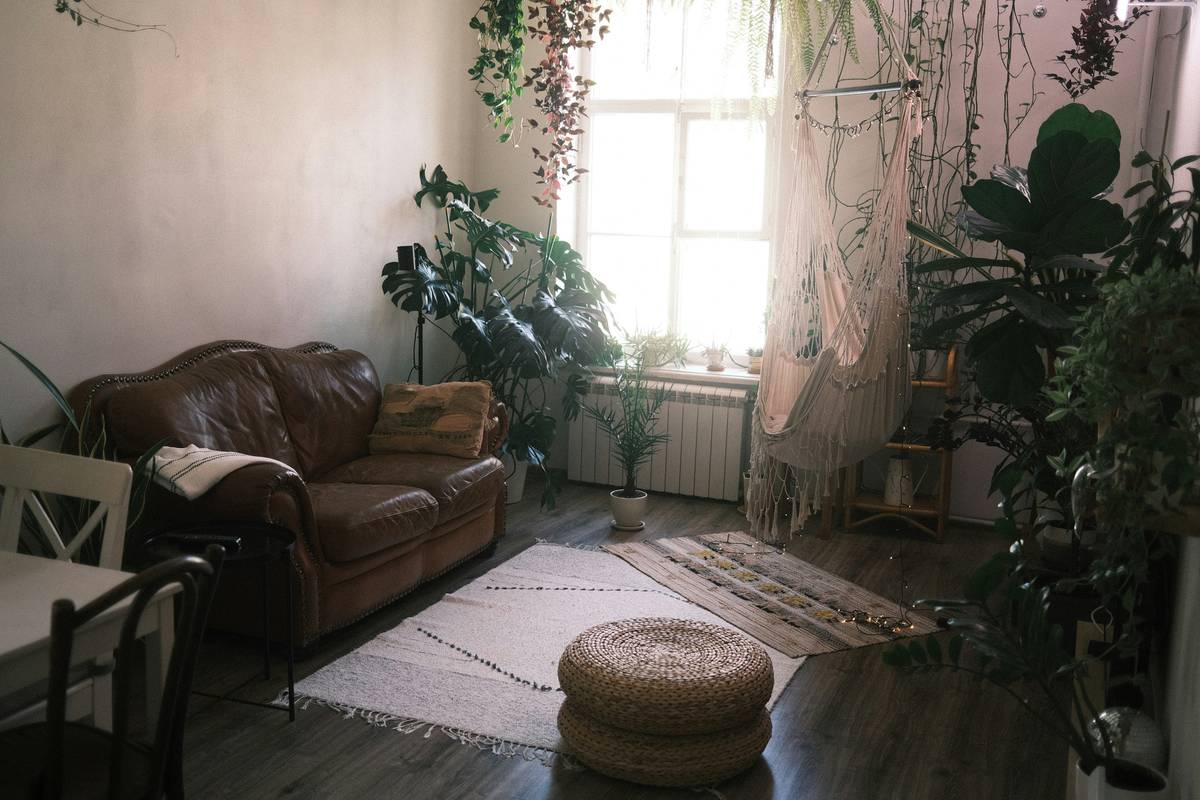
But it’s not just economics. There’s a psychological shift. You shop at the corner bodega, brew local beans in your own kettle, and return each evening to “your” place—not a generic room number. That immersion builds deeper connections to the city.
Grumpy You: “Great. But what if the Wi-Fi dies during my Zoom call?”
Optimist You: “That’s why we vet like detectives—starting now.”
How to Book the Perfect Urban Apartment Rental: A Step-by-Step Guide
Step 1: Define Your Non-Negotiables (Beyond “Pretty Photos”)
Before swiping right on that loft with exposed brick, ask: Do I need reliable Wi-Fi speeds (≥50 Mbps)? Is elevator access mandatory? Must I be within a 10-minute walk of a subway? List these in order of priority. I once ignored “no AC” in a Madrid listing because the terrace looked dreamy—big mistake in July. Let’s just say my laptop fan sounded like a jet engine trying to cool my sweat puddle.
Step 2: Cross-Check Platform Listings
Don’t rely solely on Airbnb or Vrbo. Use Google Maps’ “Short-term rentals” layer to spot clusters—often a sign of professional management (good for consistency, bad if you want authenticity). Then check the property address on Instagram hashtags (#ParisApartmentRental) for unfiltered guest photos.
Step 3: Decode the Host Profile
Look for:
– Superhost status (Airbnb) or Premier Host (Vrbo): Indicates consistent quality and responsiveness.
– Response time ≤1 hour: Critical for last-minute issues.
– Message them with a specific question (“Is the bathroom window operable?”). If they reply with a copy-pasted welcome note? Red flag.
Step 4: Scrutinize the Fine Print
Hidden fees sink budgets. Watch for:
– Cleaning fees >20% of total stay
– Mandatory “tourist taxes” not disclosed upfront
– Security deposits held beyond standard 7–14 days post-checkout
Step 5: Book Direct After Discovery
Found a gem? Many hosts list independently on their own websites to avoid platform commissions. Politely ask: “Do you offer a direct booking discount?” I’ve scored 10–15% off this way—enough for dinner at that Michelin-starred taco spot.
5 Pro Tips for Maximizing Value (and Avoiding Headaches)
- Verify Local Legality: Cities like Barcelona, Amsterdam, and NYC require short-term rental licenses. Search “[City] + short term rental registry” and cross-check the listing ID. Unlicensed = risk of fines or eviction.
- Read “Negative” Reviews Strategically: Skip rants about “host didn’t bring wine.” Focus on recurring issues: “street noise,” “slow hot water,” “misrepresented size.”
- Check Transit Times, Not Just Distance: Google Maps’ walking directions often underestimate hills or confusing intersections. Use Citymapper for precise public transit ETAs.
- Pack a Mini Toolkit: Include a portable doorstop (for extra security), universal adapter, and collapsible kettle. Sounds excessive until you’re boiling water for oatmeal in a Parisian sink.
- Leave an Honest Review: Future travelers (and ethical hosts) depend on it. Be specific: “Balcony table fits two wine glasses + a book—not four people.”
TERRIBLE TIP DISCLAIMER: “Just pick the cheapest option!” Nope. The $89/night deal in central Rome might be above a nightclub that thumps until 6 a.m.—as I learned during my ill-fated “restful Italian getaway.” Spoiler: I did not rest.
Real-World Case Studies: When Urban Rentals Saved (or Sank) Trips
Case Study 1: The Lisbon Laundry Fiasco (The Sinker)
I booked a “stylish Alfama flat” with rave reviews. What they omitted? The building’s ancient plumbing meant the washing machine flooded the kitchen every cycle. No mention of this in the listing—or the host’s response when I messaged mid-crisis. Lesson: Always confirm appliance functionality, especially in historic districts.
Case Study 2: The Kyoto Artist’s Loft (The Savior)
For a 10-day cultural deep dive, I chose a locally owned machiya townhouse rental via Sonder. The host left handwritten notes on hidden gardens, loaned me a bicycle, and shared her favorite tofu breakfast spot. Total cost: $120/night vs. $220 for a comparable boutique hotel. Bonus: I cooked matcha soba noodles in a 100-year-old kitchen. Magical.
Urban Apartment Rentals FAQs
Are urban apartment rentals safe?
Generally yes—especially with verified platforms. Prioritize listings with ID verification, secure payments, and transparent host info. Always share your itinerary with someone back home.
How do I know if an urban rental is legal?
Search “[City Name] short-term rental regulations.” Most require registration numbers displayed in listings (e.g., LA’s TUP number, Paris’ registration code). If missing, proceed with caution.
Can I negotiate the price?
Yes! Message the host before booking: “I’m looking at [dates]—any flexibility for a longer stay?” Many will adjust cleaning fees or offer weekly discounts.
What’s the biggest mistake first-timers make?
Assuming “city center” means walkable to everything. Always check actual walking times to key sites via Google Street View—those “5-minute walks” can become 15-minute uphill treks.
Are urban apartments good for business travelers?
Absolutely—if you prioritize Wi-Fi speed, workspace ergonomics, and quiet hours. Filter for “dedicated workspace” and read reviews mentioning “Zoom calls” or “desk setup.”
Conclusion
Urban apartment rentals aren’t just a budget hack—they’re your backstage pass to living like a local, not just visiting. By focusing on verified legality, reading reviews with X-ray vision, and communicating directly with hosts, you transform from tourist to temporary citizen. My Lisbon laundry trauma taught me that details matter—but my Kyoto kitchen taught me it’s worth it.
So next time you plan a city escape, skip the cookie-cutter hotel. Hunt down that sun-drenched loft, that converted factory studio, that hidden courtyard gem. Pack your doorstop, message the host about towel count, and get ready to unlock your own front door in the heart of the city.
Like a Tamagotchi, your ideal urban rental needs daily care—but the payoff? Chef’s kiss.
Morning light through
Tokyo window: matcha steam
Rises like good SEO
— Haiku for the weary traveler