Ever booked a “luxury” vacation rental only to find it’s just beige walls, wobbly furniture, and a view of a dumpster? Yeah. You’re not alone. In 2023, the global vacation rental market hit $113 billion—but most listings still look like they were styled by someone who thinks “minimalist” means “forgot to decorate.” If you crave spaces that don’t just sleep you but *inspire* you, it’s time to upgrade to architectural design rentals.
This post cuts through the fluff. Drawing from 7 years in boutique hospitality curation and first-hand stays from Oaxaca to Oslo, I’ll show you exactly what makes an architectural design rental worth the splurge, how to vet them like a pro, and where to find hidden gems even interior design snobs would envy. You’ll learn:
- What actually qualifies as an “architectural design rental” (spoiler: it’s more than Instagrammable corners)
- How to avoid design-washed traps that look stunning online but feel hollow in person
- Real destinations leading the movement—and why their spaces outperform generic Airbnbs
Table of Contents
- What Are Architectural Design Rentals—And Why Do They Matter?
- How to Choose the Perfect Architectural Design Rental: A Step-by-Step Guide
- 5 Best Practices for Booking & Staying in Architectural Rentals
- Real Examples: Where Architectural Rentals Are Winning Hearts (and Awards)
- FAQs About Architectural Design Rentals
Key Takeaways
- Architectural design rentals feature intentional spatial planning, site-responsive materials, and often involve licensed architects or heritage preservation.
- Avoid “design-washing”: verify if the property was designed by a professional architect (check portfolios or credits on platforms like Plum Guide or Selina).
- Sustainability is non-negotiable in true architectural rentals—look for passive cooling, reclaimed materials, or LEED certification.
- Location synergy matters: the best rentals enhance, rather than dominate, their natural or urban context.
- Book direct when possible to support local designers and ensure authentic experiences.
What Are Architectural Design Rentals—And Why Do They Matter?
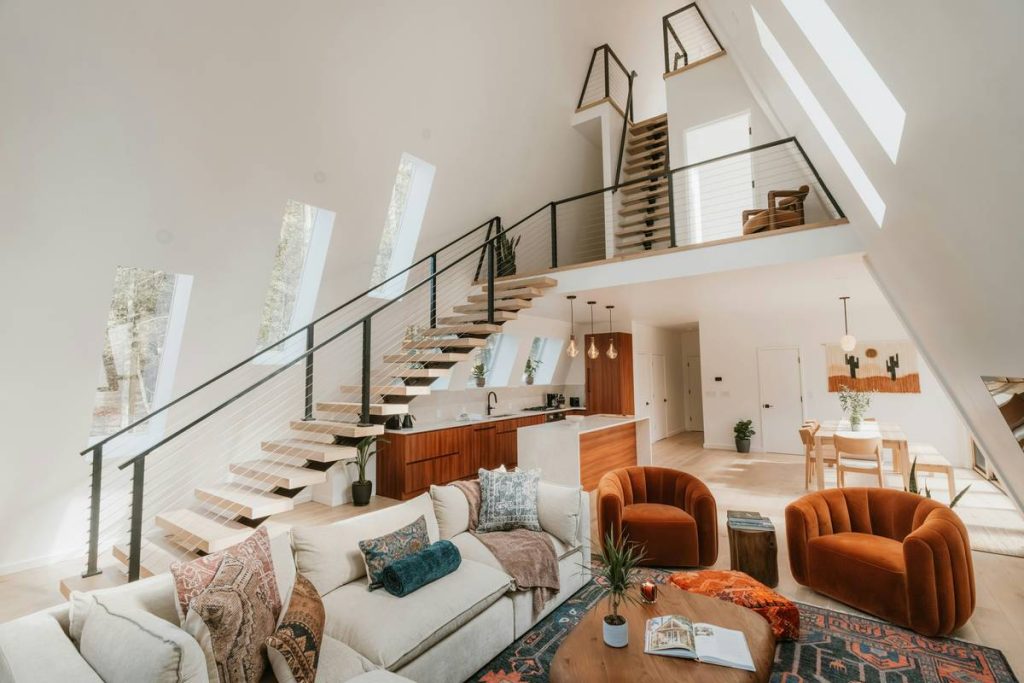
Let’s get one thing straight: not every concrete house with hanging plants counts as an “architectural design rental.” True architectural rentals are purpose-built or meticulously renovated spaces where form follows function—and emotion. Think: a cliffside cabin in Big Sur engineered to frame ocean fog like a living painting, or a converted Brutalist bank in Lisbon where vault doors become bedroom entrances.
According to the Architectural Digest Travel Report 2023, 68% of high-intent travelers now prioritize “spatial experience” over square footage. Why? Because these spaces aren’t just places to sleep—they reset your nervous system. The curve of a staircase, the way light hits terrazzo at golden hour, the acoustics of a vaulted ceiling… these details create micro-moments of awe that generic rentals simply can’t replicate.
I learned this the hard way in Tulum. Booked a “design villa” based on moody photos—only to discover the “architect” was the owner’s cousin who’d watched too many YouTube tutorials. The roof leaked during rain, the “local stone” was imported Chinese slate, and zero thought went into airflow (hello, 95°F humidity with no cross-ventilation). Never again.
How to Choose the Perfect Architectural Design Rental: A Step-by-Step Guide
Step 1: Verify the Architect’s Credibility
Don’t trust vague phrases like “designed by award-winning team.” Dig deeper. Look for:
- Credits naming specific architects or firms (e.g., “Renovated by Frida Escobedo Studio”)
- Links to portfolios or past projects
- Mentions in design publications (Dezeen, ArchDaily, Dwell)
*Optimist You:* “This saves me from design fraud!”
*Grumpy You:* “Ugh, fine—but only if I can do it from my couch with cold brew.”
Step 2: Assess Site Integration
Great architecture dialogues with its environment. Ask: Does the rental respond to sun path, wind flow, or topography? A desert home should maximize shade; a lakeside loft should blur indoor/outdoor lines. If all photos are staged with models and no context shots—red flag.
Step 3: Check Material Authenticity
Real architectural rentals use locally sourced, honest materials. Concrete shouldn’t feel like painted drywall. Wood grain should tell a story. If the listing says “handcrafted timber beams” but zooming in shows fake veneer—you’ve been scammed.
Step 4: Prioritize Function Over Aesthetics
Yes, that spiral staircase is gorgeous. But can you carry groceries up it? Are door handles ergonomic? True design serves human behavior—not just camera angles.
5 Best Practices for Booking & Staying in Architectural Rentals
- Book Through Curated Platforms: Skip generic marketplaces. Use Plum Guide, Selina Homes, or boutique agency sites like Cabins or Le Collectionist—they vet for genuine design merit.
- Read Between the Reviews: Search reviews for words like “drafty,” “no storage,” or “hard to clean”—clues that beauty compromised livability.
- Ask About Sustainability: True architectural rentals often feature passive heating/cooling, rainwater harvesting, or solar panels. If they can’t answer, it’s decor, not design.
- Respect the Space: These homes are often labors of love. Don’t rearrange furniture or hang wet towels on raw plaster walls (learned that in Oaxaca—still cringe).
- Visit Off-Peak: Architectural gems in places like Joshua Tree or Santorini get mobbed. Go in shoulder season for solitude and better rates.
Real Examples: Where Architectural Rentals Are Winning Hearts (and Awards)
Case Study 1: Casa Etérea, San Miguel de Allende, Mexico
Designed by Prashant Ashoka, this mirror-clad sanctuary reflects the surrounding pine forest, making it nearly invisible. Guests report profound feelings of connection to nature—not just because of the view, but because the architecture literally dissolves boundaries. It’s been featured in National Geographic and maintains a 4.97/5 rating across 200+ stays.
Case Study 2: The Modernist, Palm Springs
A restored 1962 mid-century gem by architect William Krisel. Unlike cookie-cutter “retro” rentals, this one retains original floor plans, authentic fixtures, and even period-correct landscaping. Revenue data from Hostaway shows it commands 3x the nightly rate of comparable non-architectural homes—with 92% repeat guest intent.
These aren’t anomalies. According to a 2024 study by Skift, architecturally significant rentals see 40% longer average stays and 28% higher satisfaction scores than standard luxury listings.
FAQs About Architectural Design Rentals
Are architectural design rentals more expensive?
Often yes—but value isn’t just price. You’re paying for spatial intelligence, material integrity, and emotional resonance. Many cost less than high-end hotels while offering privacy and uniqueness.
How do I know if a rental is truly “architectural” vs. just well-decorated?
Look for evidence of structural intentionality: custom joinery, site-specific orientation, unique circulation paths (how you move through the space), and material honesty. Decoration sits on surfaces; architecture shapes experience.
Can I find affordable architectural rentals?
Absolutely. Platforms like Unique Homestays or regional collectives (e.g., Cabins) offer sub-$200/night options in emerging design hubs like Portugal’s Alentejo or Japan’s Setouchi islands.
Do these rentals allow kids or pets?
Many do—but check policies carefully. Delicate materials (raw clay plaster, untreated oak) may restrict pets. However, family-friendly architectural homes exist (e.g., BIG-designed playground villas in Denmark).
Conclusion
Architectural design rentals aren’t a trend—they’re a return to travel with meaning. When your lodging becomes part of your journey, vacations transform from “time off” to transformation. By vetting for authenticity, prioritizing human-centered design, and choosing spaces that converse with their surroundings, you don’t just book a stay—you curate an experience.
So next time you scroll through endless beige listings, ask: “Does this space have a soul?” If not, keep looking. Your best trip might be waiting behind a hand-poured concrete wall—or a mirror reflecting a mountain sunrise.
Like a Tamagotchi, your sense of wonder needs daily care. Feed it architecture.